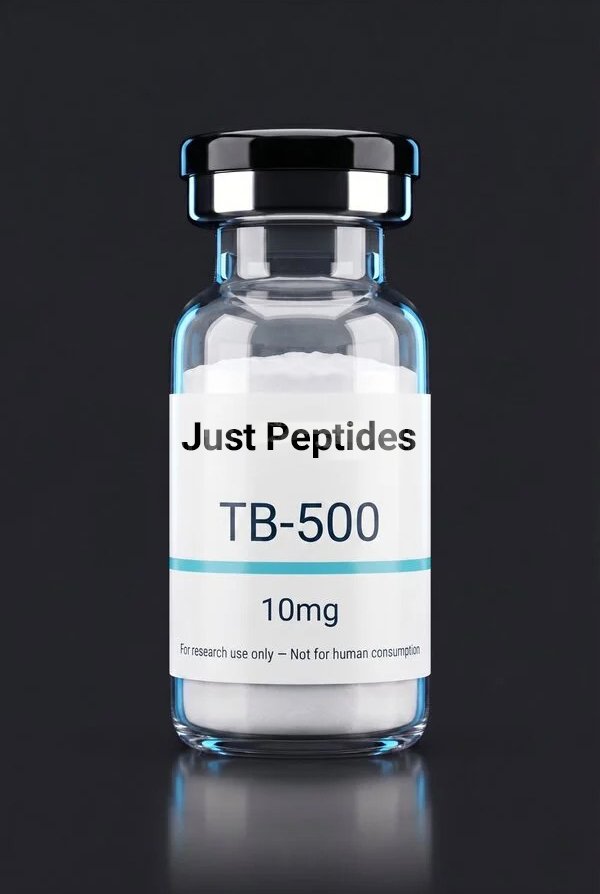
TB-500 is a synthetic peptide-related compound that has gained attention within scientific and research communities for its association with studies involving cellular biology, tissue response, regeneration pathways, and molecular signaling. TB-500 is commonly discussed in relation to thymosin beta-4 (Tβ4) research, a naturally occurring peptide involved in important cellular processes.
This description is created for research and educational purposes only and focuses on the scientific background, characteristics, and areas of investigation surrounding TB-500.
What Is TB-500?
TB-500 is a synthetic peptide compound studied for its connection to biological mechanisms involving cell movement, structural organization, and cellular communication. Researchers examine thymosin-related pathways because they play roles in fundamental processes that occur at the cellular level.
Scientific interest in TB-500 includes areas such as:
Cellular signaling research
Tissue biology studies
Molecular pathway investigations
Regenerative science concepts
Biological recovery mechanisms
Key Features of TB-500 Research
Advanced Peptide Science
TB-500 represents the growing field of peptide-based research, where scientists analyze how specific molecular compounds interact with biological systems and influence cellular behavior.
Cellular Migration Research
One major area of interest involves cell migration studies. Researchers investigate how thymosin-related compounds may influence the movement and activity of cells, an important process in tissue development and biological responses.
Actin and Structural Biology Studies
TB-500 research is often connected with actin regulation, a key component of cellular structure. Understanding actin dynamics helps scientists explore how cells maintain shape, move, and respond to environmental signals.
Regenerative Research Interest
TB-500 is frequently studied within the broader context of regenerative medicine research, where scientists explore biological pathways related to tissue maintenance and cellular function.
Why TB-500 Is Studied
Interest in TB-500 continues because researchers are exploring how peptide compounds may contribute to a deeper understanding of:
Cellular repair mechanisms
Tissue engineering research
Inflammation biology
Molecular communication
Advanced biotechnology applications
The study of peptides like TB-500 helps expand scientific knowledge about how small biological molecules influence complex systems.
The Future of Peptide Research
TB-500 highlights the expanding possibilities of biomedical peptide research. As scientists continue investigating cellular pathways and molecular interactions, thymosin-related compounds remain an important topic in laboratory research.
For research and educational purposes only. TB-500 is not approved as a general therapeutic product in many regions and should only be studied according to applicable regulations and professional guidance.

Reviews
There are no reviews yet.