No products added!

59.99$
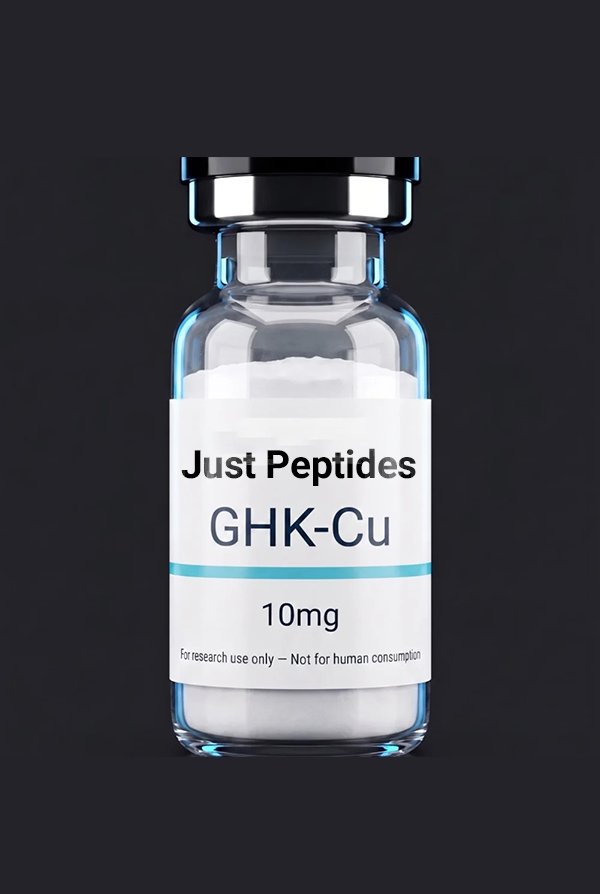
GHK-Cu (Copper Tripeptide-1) is a naturally occurring copper-binding peptide that has attracted attention in scientific research involving skin biology, tissue regeneration studies, cellular communication, and molecular repair pathways. As a peptide complex formed from glycine, histidine, and lysine (GHK) combined with copper ions, GHK-Cu is widely studied in the fields of biochemistry, cosmetic science, and regenerative research.
This description is intended for research and educational purposes only and provides an overview of GHK-Cu’s characteristics, mechanisms, and areas of scientific interest.
GHK-Cu is a small peptide complex naturally found in human biological systems. Researchers study its relationship with copper because copper is an important trace element involved in many biological processes, including enzyme activity and cellular function.
Scientific research involving GHK-Cu focuses on:
One of the defining characteristics of GHK-Cu peptide research is its ability to bind copper ions. Scientists examine how copper-peptide interactions may influence biological communication and cellular activity.
GHK-Cu has become a popular topic in cosmetic peptide research due to studies exploring its relationship with:
Researchers investigate how peptides and minerals interact within skin environments.
GHK-Cu is studied in connection with tissue biology and cellular repair mechanisms. Scientists explore how peptide signaling may affect extracellular matrix components and normal biological processes.
Modern research examines GHK-Cu as part of a broader effort to understand how small peptides influence communication between cells and their surrounding environment.
Interest in GHK-Cu continues to grow because it sits at the intersection of:
Its unique combination of a peptide structure and copper-binding capability makes it a valuable subject for laboratory investigation.
GHK-Cu represents the expanding field of bioactive peptide research, where scientists study naturally occurring molecules and their potential roles in biological systems. Ongoing research continues to explore how copper peptides interact with cells, tissues, and molecular pathways.
For research and educational purposes only. GHK-Cu is an investigational peptide compound and should be studied according to applicable regulations and professional
Reviews
There are no reviews yet.